With a quote from me at the link.
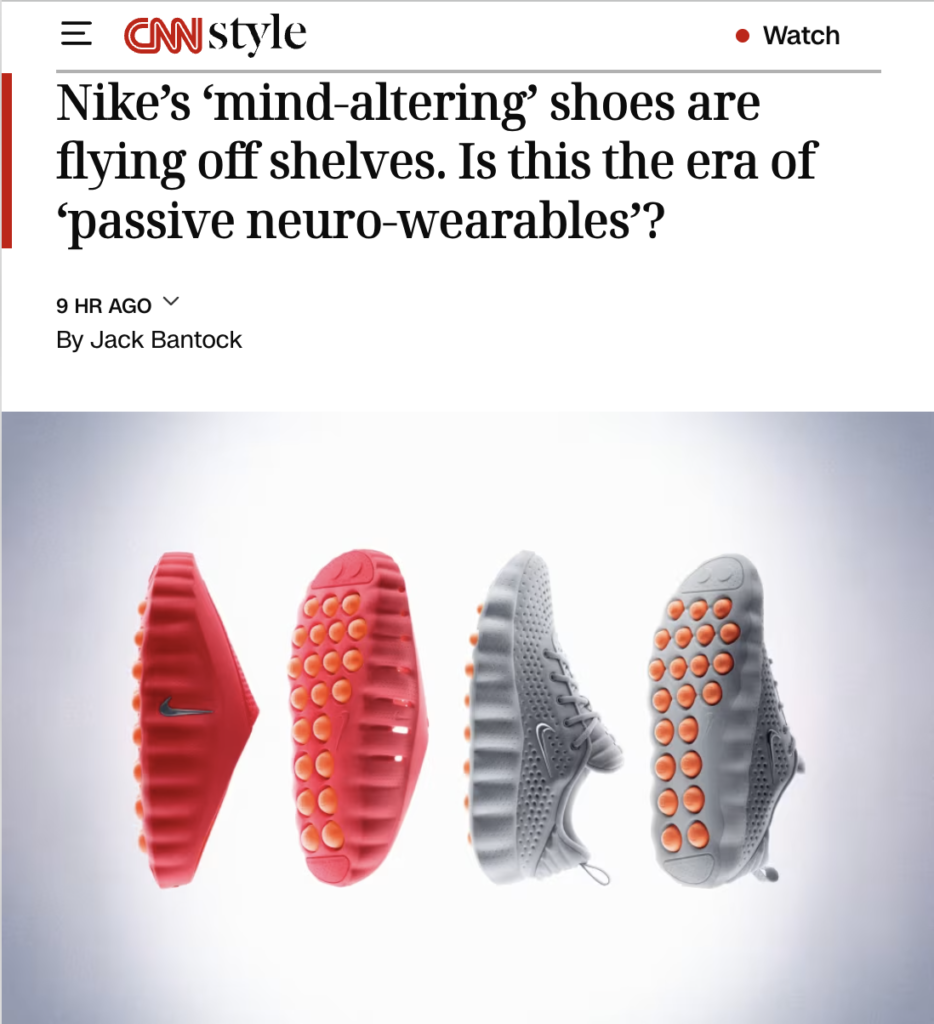
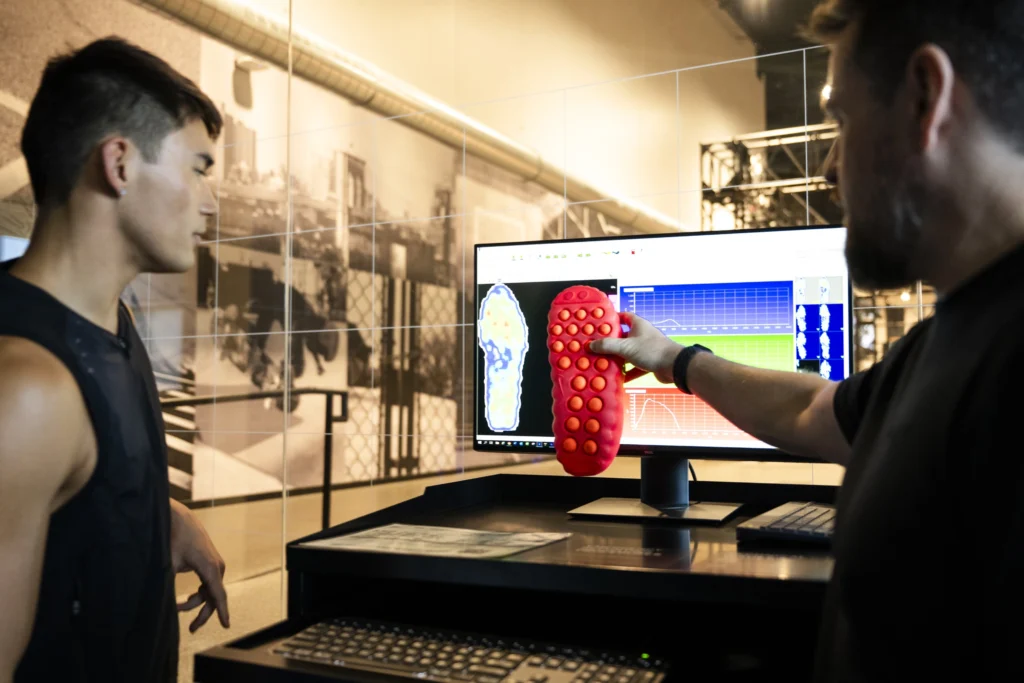
Here’s a great post from the Nike magazine about our team, and how we had the great fortune (alongside many other teammates!) of working to create the world’s first athletic shoe designed from the sensory system out.
These remarks were delivered to the OECD Working Group on Emerging Technologies “Minding Neurotechnology” Workshop, in Shanghai, China, September 6, 2018. This workshop led to the OECD policy on Responsible Innovation in Neurotechnology.
Graeme Moffat, Chief Scientist & VP Regulatory Affairs, Muse (Interaxon); Senior Fellow, Munk School of Global Affairs & Public Policy (University of Toronto)
I would like to thank the OECD for inviting some representatives of the neurotechnology industry here to speak. I’m Graeme Moffat. I’m the Chief Scientist with Muse, as well as a Senior Fellow with the Munk School of Public Policy at the University of Toronto.
Muse is a success story of Canadian and Chinese collaboration on neurotechnology, between our partners in Xiamen and our head office in Toronto. This is a story of global integration in neurotechnology, with Canadian and Chinese engineering serving the world’s largest two markets of the USA and the EU. I am encouraged by the presence of representatives of industry at this conference; often, the people building and innovating on neurotechnology occasionally read reports of workshops attended by only academic philosophers and occasionally academic neuroscientists. There is an enormous disconnect between the practice of neurotechnology and the hypothetical ethical concerns raised in academic workshops on neuroethics, and that gap is wide and filled with misconceptions at best – and science fiction at worst.
At Muse, we make neurotechnology for consumers and for brain health. Muse itself is the most widely adopted consumer neurotechnology in the world by about an order of magnitude, if not more. What is it? Muse is a biosignal system that incorporates electroencephalography and other sensors in a portable and wearable form factor. We believe that we became the biggest by focusing on delivering real and persistent value to people who use our technology. Our users, we believe, should encounter a human-centered technology experience, and it should empower them to lead happier and healthier lives. Our belief is that neurotechnology should be designed and built from the user outward, to solve a real problem for a real person, in a way that person can understand.
(more…)A conversation I had with Raju Mudhar of the Toronto Star’s This Matters podcast on the history and future of brain-computer interfaces.
Vass Bednar, Brett House, Sunil Johal, Kaylie Tiessen and I had some thoughts on Canada’s struggles with economic growth and the importance of getting policy in place to change the country’s course.
It’s not that Canadian companies are too small or too big: it’s that too many of the country’s big companies are old, generally low-tech, and don’t innovate to compete. More here in our article at The Hub.
A panel on Canada’s best current affairs TV show, The Agenda.
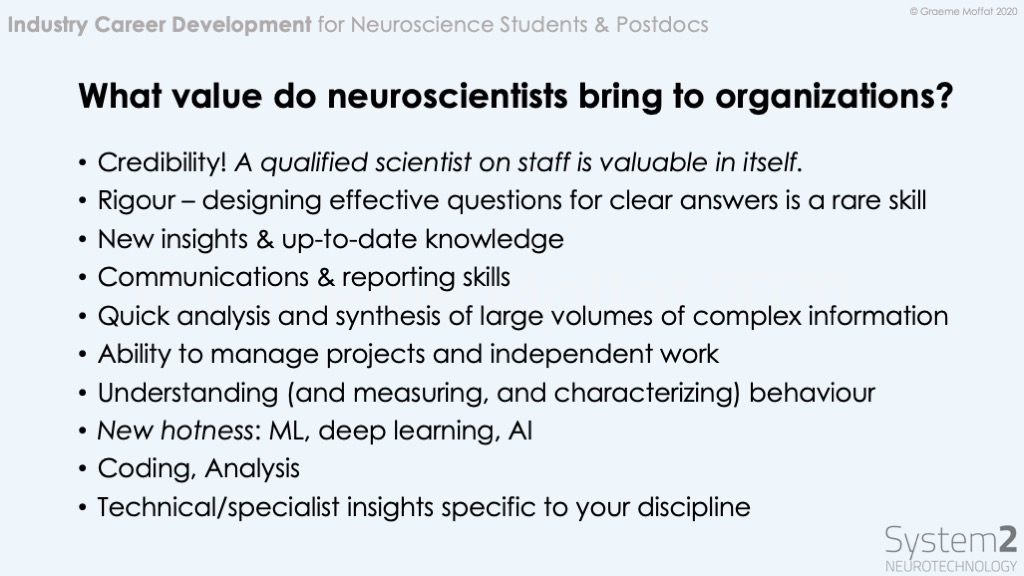
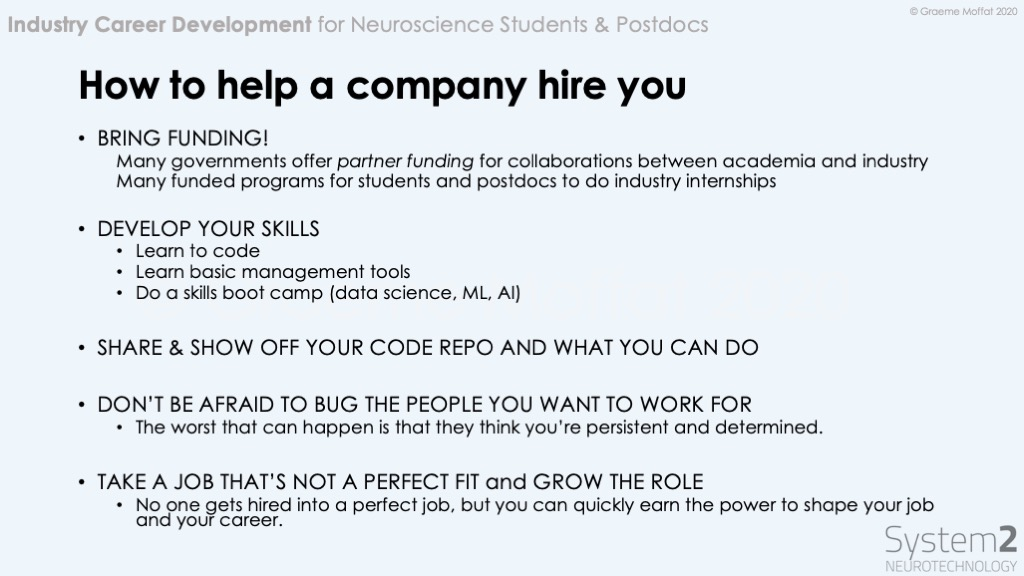
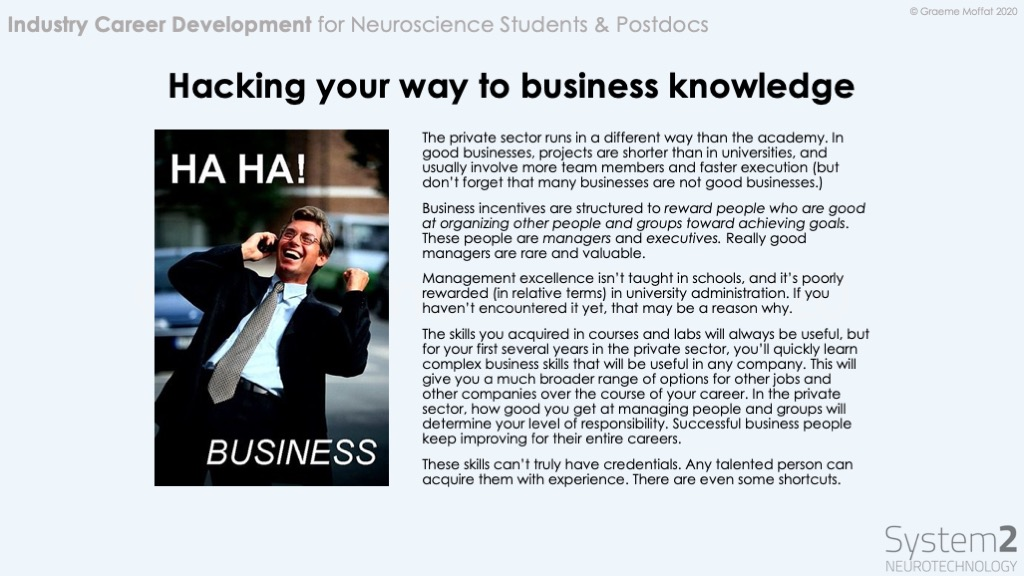
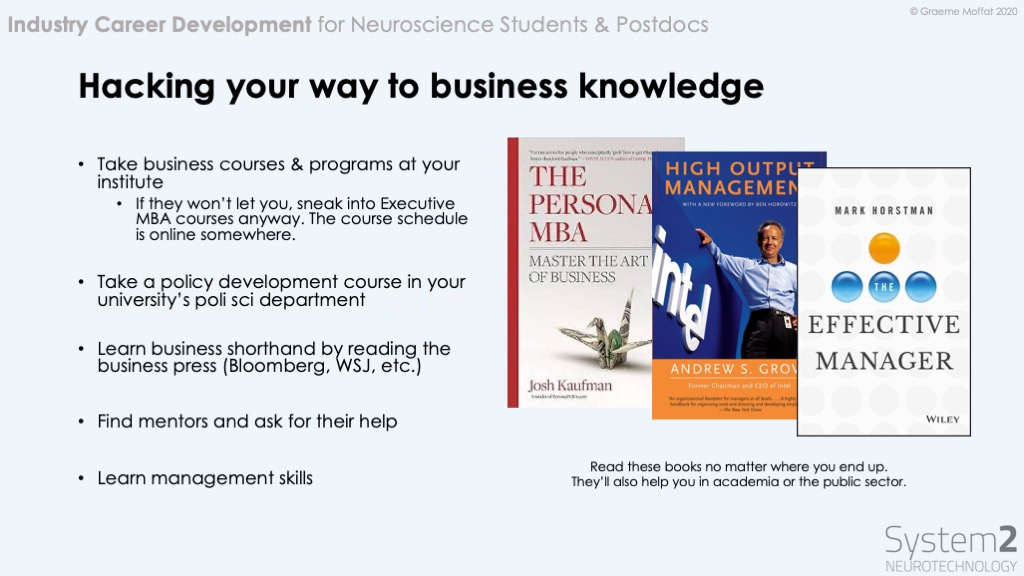
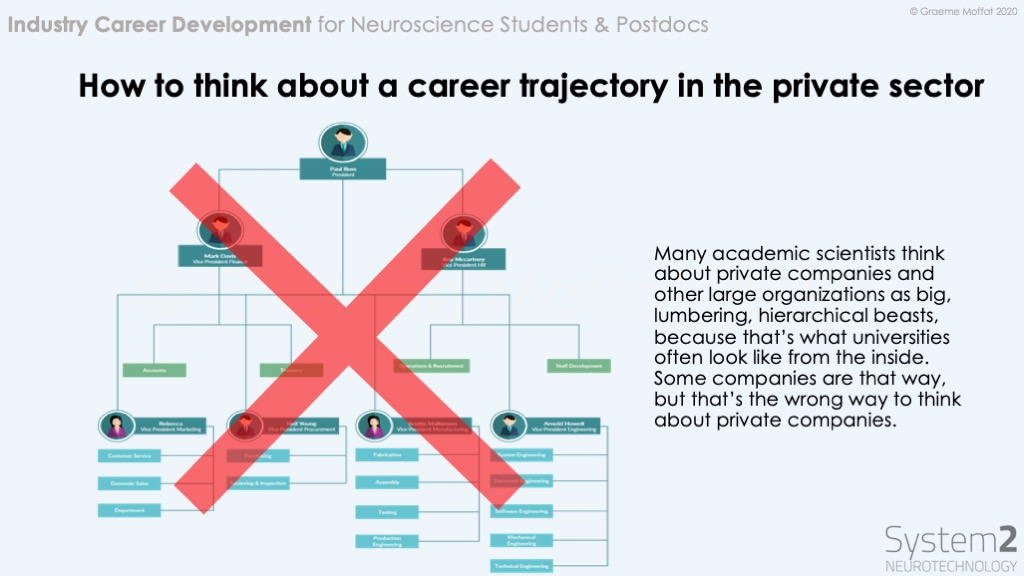
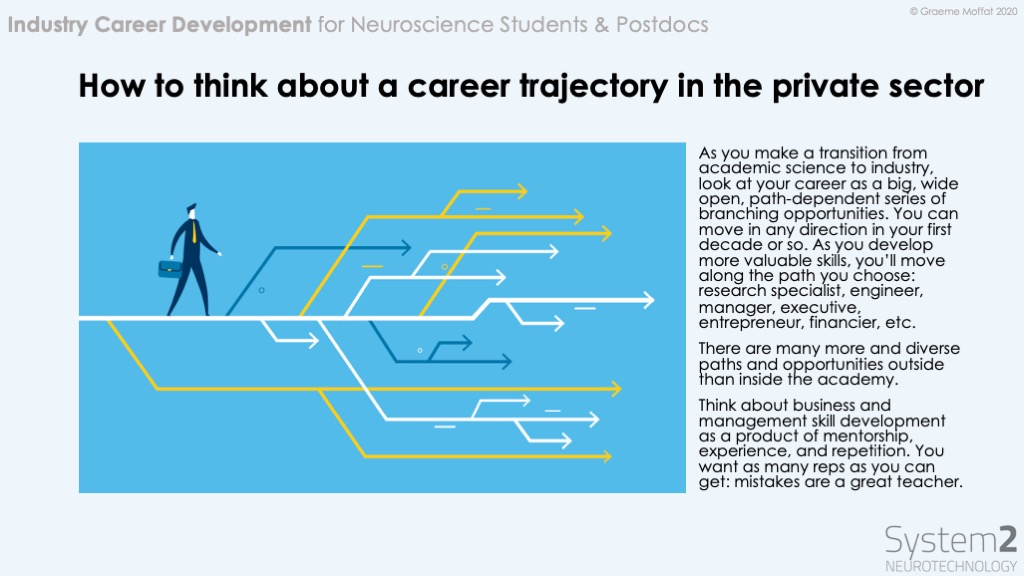
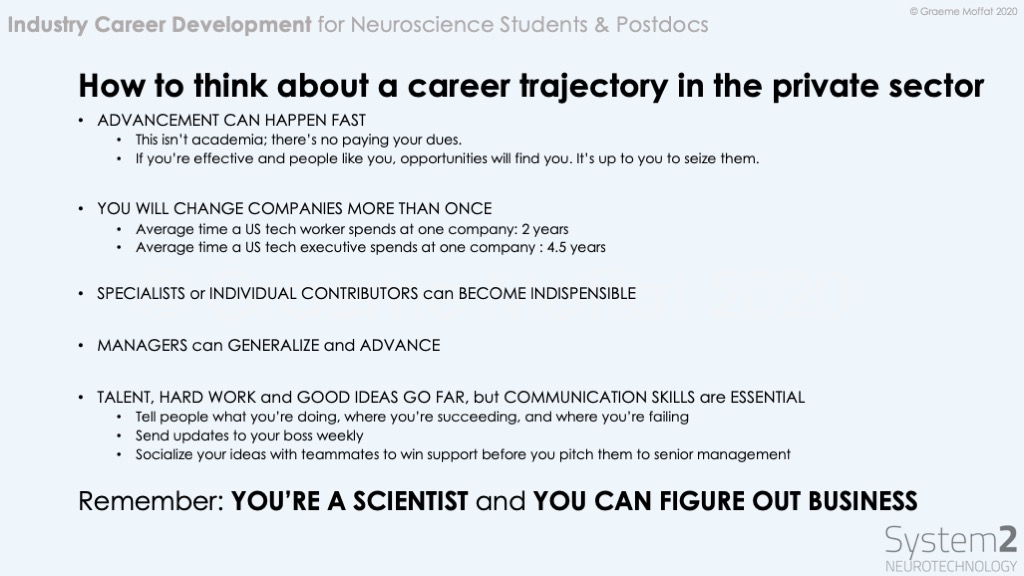
Last weekend I had the good fortune to participate in a panel at Neuromatch Academy on career development for neuroscience students. If you’re a student who’s only ever experienced academia – and especially if your advisors have only ever seen academia – it can be hard to break out of academo-normative thinking and conceptualize the wider world of mainstream careers. (This problem is so weird that some academics refer to the path that 80-90% of graduate degree holders choose as “alternative careers” or ‘alt-ac’.)
Below are some slides that I hope will help students (in neuroscience and other disciplines) think a bit more clearly about mainstream career opportunities. This is just one of many perspectives on how to find your way into the private sector.
Last week, my friend Sean Speer and I took on Linda McQuaig and Armine Yalnizyan in a television debate, produced by Wodek Szemberg and moderated by Steve Paikin, for The Agenda on TVO. It was fun. If you grew up in Ontario in the 70s, 80s, or 90s, you started out watching The Polka-Dot Door, then one day you’re watching The Agenda and it occurs to you that you’re an adult. Life goes Polkaroo-to-Paikin. All that is to say: I was happy to be on TVO.
The proposition we debated was “should we tax billionaires out of existence?”
(more…)
I had some comments on non-compete clauses in Christine Dobby’s excellent Globe & Mail article, Sign here: Why the increasing use of non-compete clauses is bad for employees, and the economy.
Prof. Fairclough and I got into a great discussion about practical BCIs on the sidelines of the Neuroadaptive Technology Conference in Liverpool in the summer of 2019. Here’s the podcast.
No. It’s not all nonsense, but some of it definitely is. This article from Diana Kwon does a good job of discussing some of the industry’s challenges (with a quote from yours truly).
Chris Aimone and I were fortunate to be given the opportunity to present from the Digital Health Summit stage at CES 2019. Here’s what we said.
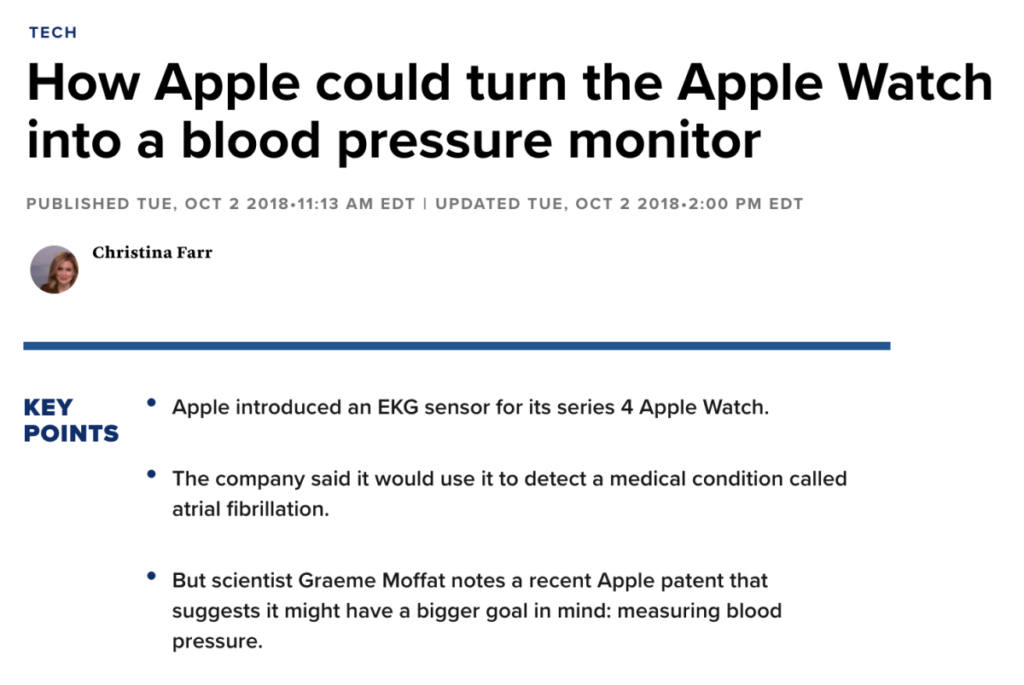
In putting together the article above, Christina Farr was gracious enough to listen to my theory about Apple’s not-so-secret plan that explains why there’s suddenly an ECG in the Apple Watch 4. What surprised me the most is that everyone focused on it as an ECG, including all of the tech and digital health press, and missed Apple’s brilliant, extremely broad patent from 2014.
If you go looking, the name for what Apple patented (again, brilliantly) is a way of measuring something called pulse transit time (PTT) from wrist-worn devices alone. PTT is a proxy for cardiovascular health, in the same way measuring blood pressure with a cuff is a proxy for cardiovascular health. What you’ll find is that as of a little more than a decade ago, pulse transit time in laboratory settings was considered unreliable as a proxy for a blood pressure cuff. But then… that wasn’t being done by Apple.
(more…)As part of the Ontario360 30-on-30 initiative organized by Sean Speer at the Munk School of Public Policy, creative policy suggestions (proposed as non-partisan transition briefings for Ontario’s new government, just before the election) were solicited on how to solve some of the province’s toughest challenges. Here’s my contribution on economic development, R&D, and innovation.
A few weeks ago, Neil Desai and I took issue with the feel-good narrative about growth in Canadian tech and innovation in The Globe and Mail. You can read our piece here.